Customer loyalty: turning one-off visitors into regulars
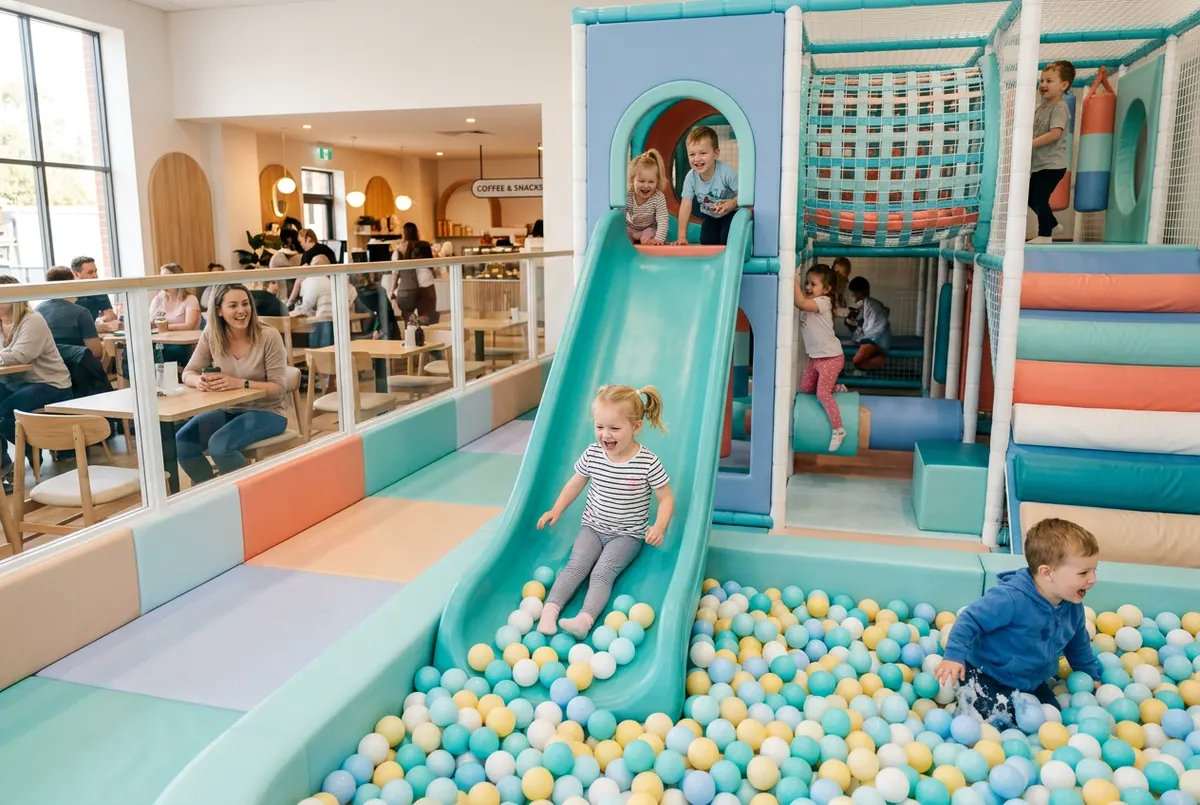
Getting a family through your doors for the first time costs time and money: advertising, social media, promotions, word of mouth. Getting them to come back should be easier, because they already know you and, if they had a good time, they have a reason to return. Yet many leisure venues put almost all their effort into attracting new customers and very little into looking after the ones they already have.
A regular customer fills quiet weekday slots, books birthday parties, recommends you to other families and is less tempted by competitors' offers. In this article we look at practical tools for turning one-off visits into repeat customers: a points club, referrals, visit passes, multi-visit passes and communication.
Why getting people back is so hard
It's usually not because the experience was bad. It's because nothing reminds them you exist, and there's no specific reason to come back now rather than in six months. The most common obstacles are:
- You don't know who came: the sale happened at the desk and no details were kept.
- There's no reason to return soon: every visit starts from scratch.
- Communication is generic: the same message for everyone, or nothing at all.
- Coming back takes effort: giving details again, signing again, explaining again.
First, get to know your customers
Without data there's no loyalty programme. The first step is to link every visit to a person, simply and with their consent.
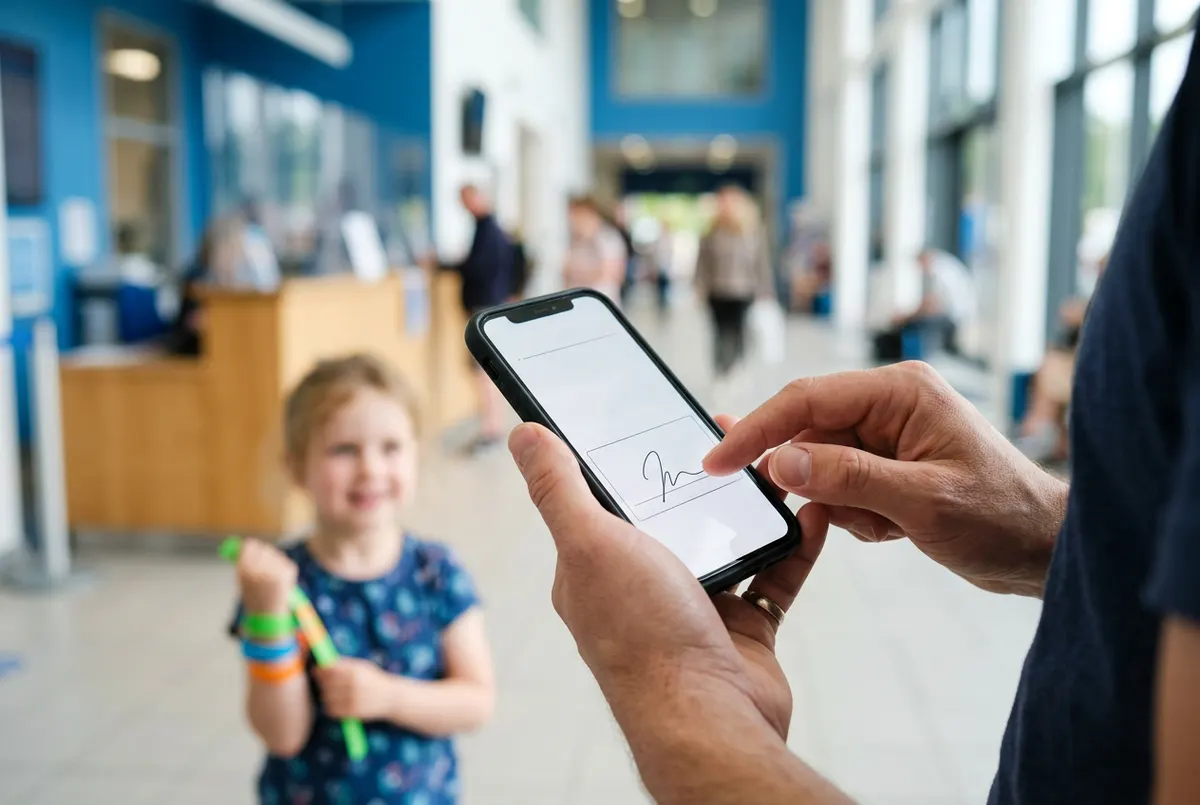
- Customer accounts: families can see their bookings, waivers and saved children, so next time is quicker.
- One record: online and front-desk purchases, parties and waivers in the same history.
- Consent for marketing: ask clearly whether they'd like to hear from you, with no pre-ticked boxes.
- Useful data, not excessive data: name, contact details and, if it helps, the children's dates of birth for birthday reminders.
A points club that's easy to understand
A points scheme works when customers understand in ten seconds what they get and when. If it needs tables or small print, they won't use it.
- Points for every euro spent: one simple rule, the same online and at the desk.
- Achievable rewards: the first one should be reachable in a few visits, such as free grip socks or a small discount.
- Tiers for your most loyal customers: extra perks for those who come most often, giving a reason to keep climbing.
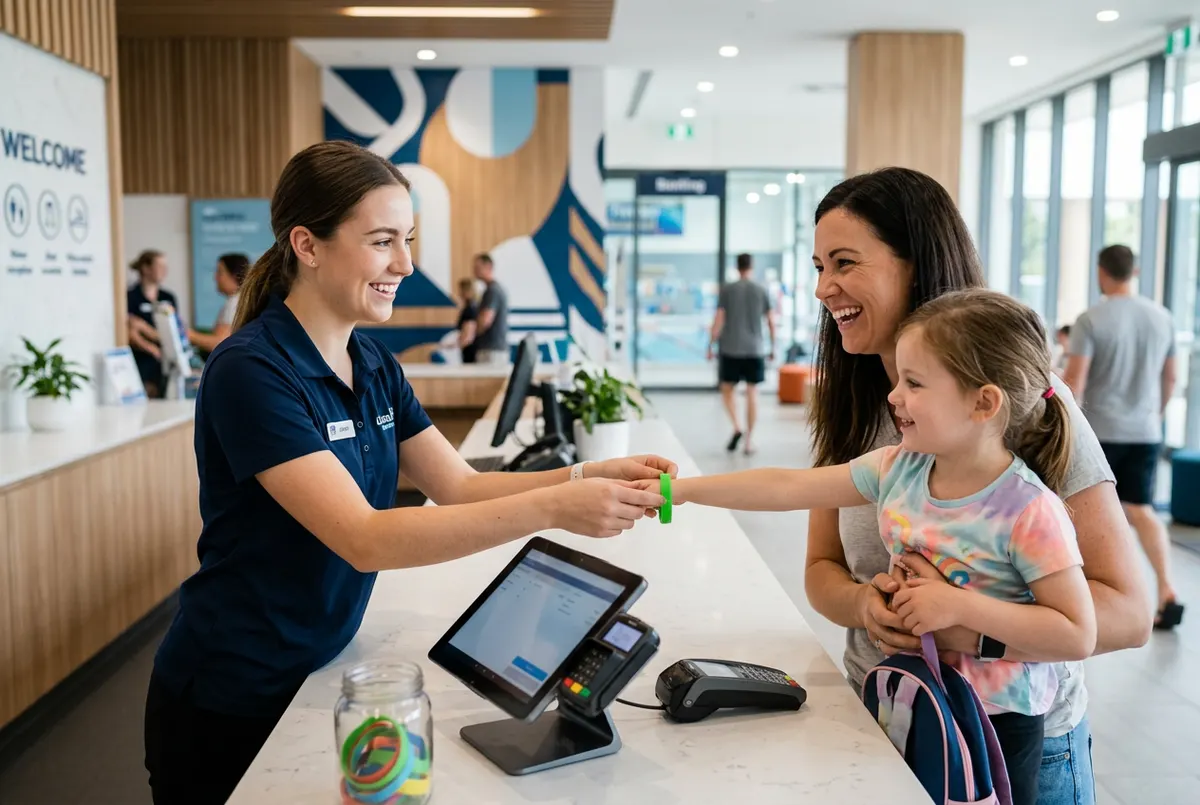
- Easy redemption: rewards applied at checkout, with nothing to ask for at reception.
- Sensible expiry: long enough not to frustrate, short enough to encourage another visit.
- Visible on the phone: customers can check their points without downloading an app.
Referrals: let your customers bring their friends
Families who already love your venue are your best sales team. A referral system gives them an easy way to recommend you, and a reward for doing so.
- Each customer has their own referral code to share.
- The new customer gets a benefit on their first purchase with the code.
- The person who referred them earns something when their friend buys, such as bonus points.
- Both sides win, so nobody feels awkward sharing it.
It works particularly well among families from the same class or neighbourhood, who share weekend plans.
Visit passes and multi-visit passes: reasons to return soon
Points reward spending; a visit pass rewards frequency. A stamp for every day they come, with a reward when the card is complete, is easy to understand and encourages people not to leave it too long between visits.
Multi-visit passes go a step further: the customer pays today for several visits, usually with some advantage, and each visit uses one up. For the venue, that's money up front and a customer who has already decided to come back.
- Offer passes designed for your audience, such as one for families who come every week.
- Make sure customers can always see how many visits they have left.
- Remind them about unused visits before they expire.
Communication that helps rather than nags
Email is still one of the most direct ways to talk to your customers, as long as the message is useful and the timing is right.
- Timing that makes sense: school holidays, bank holidays, rainy days or a few weeks before their child's birthday.
- Specific messages: something new, special opening hours or a discount code with a deadline, not a generic newsletter.
- Moderate frequency: a few good emails beat lots of irrelevant ones.
- One-click unsubscribe: essential out of respect for customers and required under GDPR.
Finally, measure whether it's working. Every few months, look at how many customers have come back, which rewards are actually redeemed, how many people arrive with a referral code and how many multi-visit passes are used up before they expire. If nobody asks for a reward, change it; if a campaign brings in no bookings, try a different moment or a different message. A loyalty programme isn't something you launch once and forget: you fine-tune it gradually, listening to your customers and to your front-desk team, who know best what families are asking about.
How Uelta helps
With Uelta's loyalty and marketing features you get a points club with points per euro, tiers and configurable expiry; rewards redeemed at checkout in your online shop; personal referral codes where both the referrer and the new customer win; a visit pass with stamps; discount codes with limits and dates; and email campaigns with automatic unsubscribe. Customers see everything in their account, in their phone's browser, with no app to download.
You can also sell multi-visit passes online and at the till, each with its own code, and customer accounts keep bookings, waivers and children on file so coming back takes seconds.
Want your customers to come back more often? Try Uelta free for 7 days and launch your points club.